Shoulder injuries are common among athletes and effective treatment methods can shorten the return-to-sport process. This article explores the types of shoulder injuries, diagnostic methods, treatment options, and rehabilitation processes in detail.
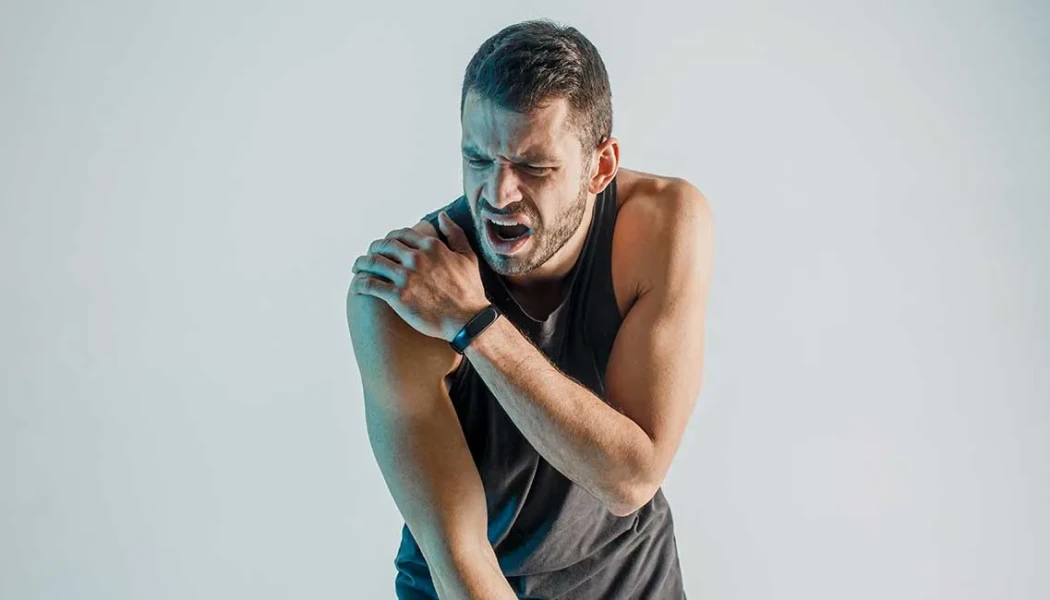
The shoulder joint is the most mobile joint in the body and is heavily utilized in sports. This wide range of motion makes the shoulder joint more susceptible to injuries. Shoulder injuries are frequently seen in athletes and can lead to decreased performance and long-term disabilities. Therefore, proper diagnosis and treatment approaches are crucial.
Types of Shoulder Injuries
Shoulder injuries are basically divided into traumatic and overuse-related categories. Major traumatic injuries include shoulder dislocations, fractures, and sprains. Injuries caused by strain or overuse include rotator cuff tears, bursitis, tendinitis, and labrum tears.
Shoulder Dislocation: This occurs when the head of the upper arm bone (humerus) comes out of the socket of the shoulder blade (scapula). It typically happens due to a fall or sudden impact. Recurrent dislocations can seriously affect an athlete's sporting life.
Rotator Cuff Tear: This is the tearing of the rotator cuff, which is formed by four muscles and their tendons surrounding the shoulder. It can develop due to repetitive motions, sudden trauma, or aging. The main symptoms are pain, loss of motion, and weakness.
Labrum Injuries: These are tears in the labrum, the cartilage structure that deepens the shoulder socket. They are especially common after shoulder dislocations in athletes. Symptoms may include pain, catching sensations, and loss of stability.
Bursitis and Tendinitis: Inflammation of the bursal fluid (bursitis) or tendons (tendinitis) can develop when the load on the cartilage structures of the shoulder increases. These conditions are often seen in sports like swimming and tennis.
Diagnostic Methods
Accurate diagnosis of shoulder injuries requires a thorough clinical examination and appropriate imaging techniques. Clinical evaluation includes assessment of pain location, range of motion, resistance tests, and stability checks. Radiological examinations include direct radiography (X-ray), magnetic resonance imaging (MRI), and ultrasound. MRI is especially the gold standard for detecting soft tissue injuries.
Treatment Options
The treatment plan depends on the type, severity of the injury, and the patient’s characteristics. Both conservative and surgical methods can be chosen.
Conservative Treatment: For mild shoulder sprains, tendinitis, and some small tears, conservative treatment is primarily applied. This involves rest, cold therapy, anti-inflammatory medications, and physical therapy. Physical therapy focuses on muscle strengthening, joint mobilization, and pain control.
Surgical Treatment: Rotator cuff tears, major labrum tears, recurrent dislocations, and fractures often require surgical intervention. Arthroscopic techniques allow minimally invasive procedures. Post-surgical rehabilitation programs ensure functional recovery.
Rehabilitation Process
Exercise programs after treatment are critical for athlete health and performance. Early-stage exercises focus on maintaining joint motion, followed by strengthening and balance coordination exercises. The rehabilitation period can vary from 6 weeks to 6 months depending on the type of injury. The goal of rehabilitation is to restore the functional stability of the shoulder and ensure a safe return to sport.
Prevention of Shoulder Injuries
To protect athletes from shoulder injuries, emphasis should be placed on warm-up, stretching, and strengthening exercises. Improving technique, avoiding sudden overloads, and paying attention to rest periods reduce injury risk. Periodic orthopedic evaluations are recommended especially for elite athletes.
With early diagnosis and appropriate treatment, shoulder injuries allow athletes to continue their careers. Recovery rates improve with treatment processes managed by orthopedic specialists.
Frequently Asked Questions
Shoulder dislocation is generally treated initially with a reduction procedure. Recurrent dislocations or structural damage might require surgical stabilization. After treatment, physical therapy is employed to strengthen muscles.
If a rotator cuff tear is repaired surgically, the rehabilitation process lasts approximately 4-6 months. Recovery time is shorter in conservatively treated cases. Athletes can return to sport once full function is restored.
Conservative treatment is applied first in mild sprains, tendinitis, and small tears in shoulders that do not have movement limitation and remain stable. This method helps control pain and improve function.
Regular warm-up, shoulder strengthening exercises, correct technique usage, and attention to rest periods help prevent shoulder injuries.
Pain, catching, locking sensation during movement, and loss of stability in the shoulder are signs of labrum tears. Orthopedic evaluation is necessary in such complaints.
This article is for general information only and does not replace a medical examination, diagnosis or treatment. Treatment options and outcomes vary from person to person.
Related treatment area Sports Surgery: Treating Knee, Shoulder and Ankle Injuries