
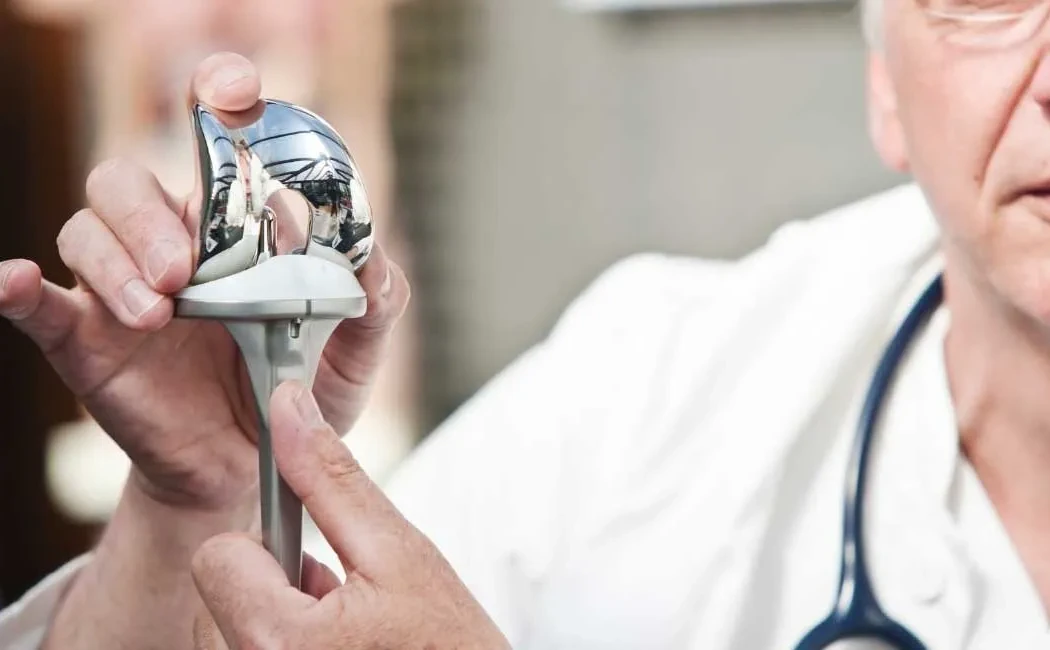
Knee replacement surgery is a surgical procedure performed to alleviate pain and improve mobility in patients with advanced joint osteoarthritis and other knee joint disorders. While significant improvements in quality of life are observed after the procedure, the nature of the surgery can lead to certain complications and issues. This article provides scientifically based information on the most common problems occurring after knee replacement surgery and their effective management.
Post-Surgical Pain After Knee Replacement
Pain after surgery is an expected symptom. However, the duration, intensity, and nature of the pain are critically important for assessing the healing process. Acute pain in the first few weeks is generally related to surgical trauma and can be managed with analgesics and physiotherapy. Chronic pain persisting months after surgery may stem from problems related to the prosthesis or surrounding soft tissues.
Causes of pain include infection, prosthesis loosening, nerve damage in surrounding tissues, or inflammation. Therefore, patients experiencing persistent pain should undergo detailed clinical and radiological evaluations.
Infection
Infection following knee replacement is a serious and feared complication, occurring in approximately 1-2% of patients. Early diagnosis and treatment are crucial. Symptoms of infection include severe pain, swelling, redness of the knee, fever, and discharge from the surgical site.
The risk of infection is influenced by the patient’s overall health, presence of diabetes, smoking habits, and other factors. Treatment involves antibiotics and sometimes surgical intervention, which may include prosthesis removal. In early infections, it may be possible to clean and reimplant the prosthesis in a sterile environment rather than removing it entirely.
Prosthesis Loosening and Limited Mobility
Over time, mechanical loosening of the prosthesis components can occur. This leads to pain, knee instability, and restricted movement. Loosening shortens the prosthesis's lifespan and usually requires revision surgery.
Limited mobility can result from muscle weakness, scar tissue formation, or improper prosthesis positioning. While early-stage limited motion can be improved with physiotherapy, advanced cases might necessitate surgical revision.
Vascular and Nerve Injuries
Though rare, injuries to surrounding blood vessels and nerves may occur during or after knee replacement surgery. Nerve injuries can lead to sensory loss, weakness, or pain, while vascular injuries may cause serious bleeding.
Proper preoperative planning, an experienced surgeon, and appropriate surgical techniques minimize these risks.
Deep Vein Thrombosis and Pulmonary Embolism
The risk of deep vein thrombosis (DVT) increases in the early postoperative period due to immobility. Untreated DVT can lead to pulmonary embolism, which is life-threatening. Therefore, prophylactic anticoagulants, early mobilization, and physical therapy are essential preventive measures.
Scar Tissue and Soft Tissue Problems After Knee Replacement
Scar tissue formation at the surgical site can cause stiffness and pain in surrounding soft tissues, restricting joint range of motion. Regular physiotherapy, movement exercises, and medical interventions, if necessary, help manage these problems.
Sensitivity and Allergic Reactions Related to the Prosthesis
Although rare, some patients may develop sensitivity to prosthetic materials. This may present as skin rashes, pain, and swelling. In suspected metal allergies, testing is performed to select the most appropriate material.
Important Considerations During Recovery
Postoperative care is vital for reducing the risk of complications after knee replacement. Wound care should be performed regularly to prevent infection, pain should be effectively controlled, and rehabilitation programs must not be neglected. Patients are advised to avoid smoking and alcohol consumption and to keep chronic illnesses under control.
Long-term follow-up by an orthopedic specialist is necessary after knee replacement surgery to detect potential problems early and ensure surgical success.