Knee injuries that reduce athletes' quality of life can be healed with early diagnosis and appropriate treatment. This article explains the diagnosis and treatment of anterior cruciate ligament tears, meniscus injuries, patellofemoral pain syndrome, and other common knee problems based on scientific evidence.
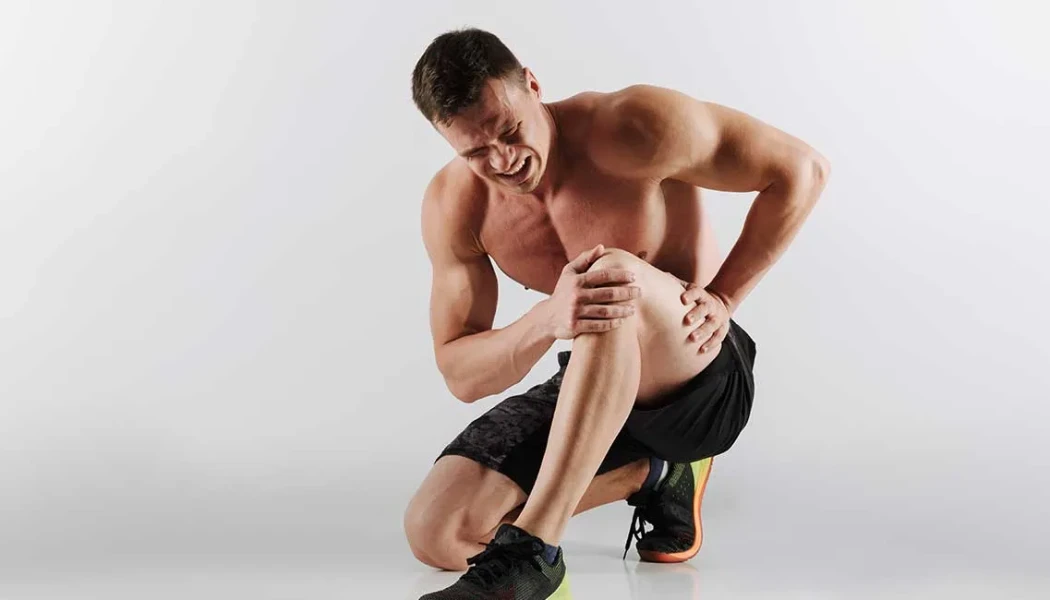
The knee is one of the largest and most complex joints in the body, and it undergoes intense stress during sports activities. Movements like running, jumping, and sudden changes in direction can subject the knee joint to various injuries. Knee injuries in athletes can lead to performance loss, lengthy rehabilitation processes, and even career-ending issues. Therefore, protecting knee health, early diagnosis of injuries, and applying effective treatment methods are of great importance.
Among the most common knee injuries in athletes, anterior cruciate ligament (ACL) injuries are the most frequent. The ACL is one of the key ligaments providing stability to the knee. It can tear due to sudden stops, changes in direction, or direct contact. Symptoms of an ACL injury include sudden, severe knee pain, swelling, a feeling of instability, and limited range of motion. Diagnosis typically involves a thorough clinical examination complemented by magnetic resonance imaging (MRI). Treatment plans are determined based on the patient’s age, activity level, and severity of the injury. Surgical reconstruction is generally recommended for young athletes who wish to continue an active sports life. Non-surgical treatment is preferred mostly for older patients or those with low activity expectations. Postoperative intensive physiotherapy helps restore joint functions.
Meniscus injuries are also commonly seen among athletes. Because the menisci are cartilage structures that act as shock absorbers in the knee joint, they can tear during strenuous movements. Sudden twisting movements and axial loading can cause meniscus tears. Patients typically present with complaints of knee locking, catching sensations, and pain. Magnetic resonance imaging is the gold standard for diagnosing meniscus injuries. Treatment depends on the type, size, and location of the tear. Small tears may be managed conservatively, while certain types of tears may require arthroscopic surgery for meniscus repair or partial meniscectomy. Meniscus-preserving approaches are important for maintaining long-term joint health.
Patellofemoral pain syndrome is characterized by chronic pain around the knee, especially beneath the kneecap. It usually results from overuse, exercises performed with incorrect technique, or abnormalities in the kneecap’s tracking. Athletes may experience increased pain during running, jumping, and similar activities. Physical examination often reveals tenderness with tests that stress the patellofemoral joint. Treatment involves adjusting activity levels, strengthening the surrounding muscles, increasing flexibility through exercises, and, if necessary, using orthopedic supports. Surgical treatment is rarely required and is usually reserved for mechanical problems or chronic cases.
Accurate diagnosis of knee injuries requires careful history-taking and physical examination. Radiological evaluations—such as X-rays, ultrasound, and especially MRI—are crucial for detailed assessment of the injury’s extent and associated tissue damage. Both surgical and conservative treatment methods play important roles during the treatment process. Rehabilitation following surgery is a critical phase for athletes returning to active sports, and it should be guided by expert physiotherapists.
After anterior cruciate ligament reconstruction, early symptoms may include swelling, stiffness, and pain in the knee. However, with appropriate rehabilitation and exercise programs, range of motion and strength typically return to normal. Following meniscus repair, avoiding excessive loading for certain periods is necessary to allow the injured area to heal. Athletes’ adherence to treatment protocols is a key factor influencing the success of therapies.
Preventive strategies for knee injuries in athletes include correcting muscle imbalances, regularly performing flexibility-enhancing exercises, using proper sports techniques, and wearing suitable footwear. Additionally, warming up and cooling down phases should not be neglected for knee health. Personalized programs prepared by sports physicians and orthopedists are effective in reducing injury risk.
Maintaining knee health in athletes is critical both for ongoing performance and prevention of early joint degeneration. Any knee pain or functional loss should prompt immediate specialist evaluation. Thanks to current surgical techniques and innovative rehabilitation approaches, athletes can rapidly return to their previous performance levels.
Frequently Asked Questions
The most common knee injury in athletes is an anterior cruciate ligament (ACL) injury. It can occur due to sudden directional changes or contact.
Pain, locking, and catching sensations in the knee are the most prominent symptoms of a meniscus tear. Definitive diagnosis is made by magnetic resonance imaging (MRI).
Surgical treatment is not mandatory in every case; however, reconstruction surgery is generally recommended for most young and active athletes. Treatment is planned according to age and activity level.
Treatment mainly involves physical therapy, muscle strengthening exercises, and activity modification. Surgical treatment is rarely needed.
Balanced muscle strengthening, proper warm-up and cool-down routines, learning correct sports techniques, and using appropriate equipment reduce the risk of injury.
This article is for general information only and does not replace a medical examination, diagnosis or treatment. Treatment options and outcomes vary from person to person.
Related treatment area Sports Surgery: Treating Knee, Shoulder and Ankle Injuries