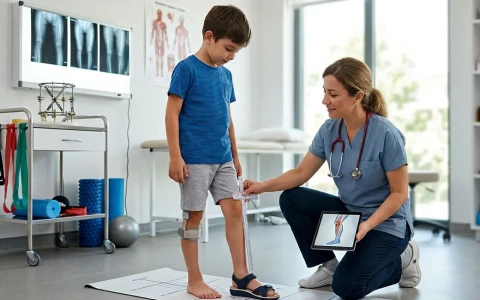
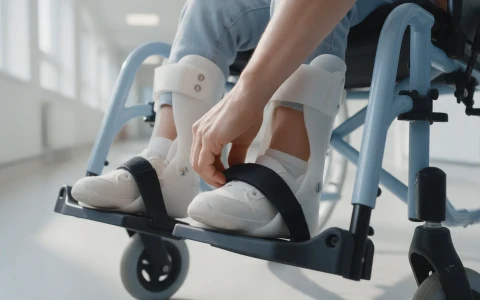
This article provides an in-depth examination of common types of fractures seen in pediatric orthopedics, structural differences of children's bones, diagnosis, and treatment methods. Both surgical and conservative treatment options are explained based on scientific evidence.
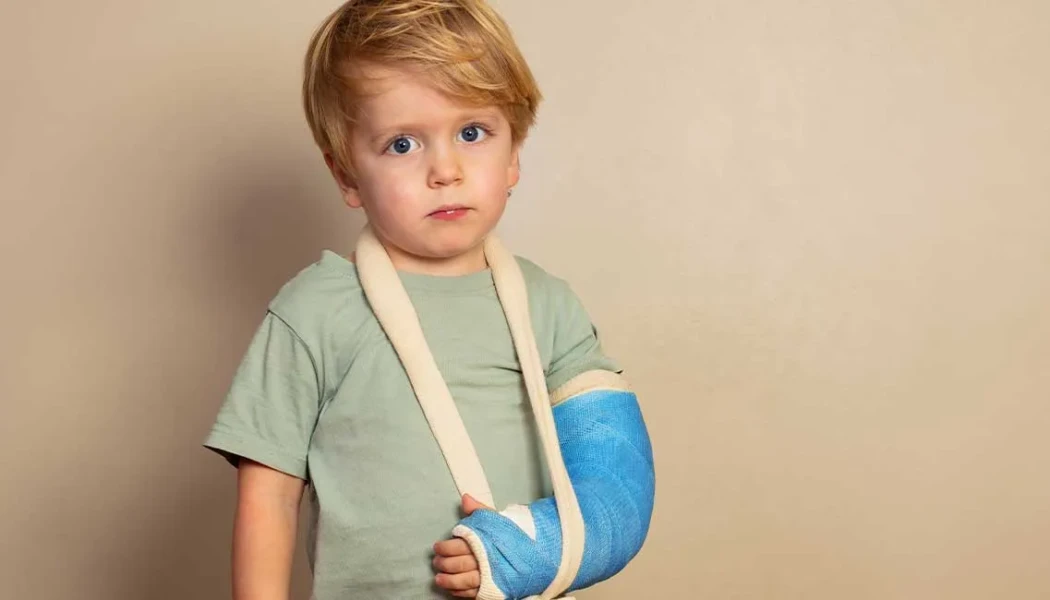
Pediatric orthopedics focuses on the assessment and treatment of fractures and other orthopedic problems in children, whose bones differ from adults by having growth plates (physes). Children's bones are flexible and have a dual-layered structure; these characteristics significantly influence the fracture types, treatment protocols, and healing processes. This article thoroughly reviews the most common fracture types in children, diagnostic approaches, and modern treatment options.
Characteristics of Children's Bones and the Importance of Fractures
Although children's bones are more flexible and less brittle, injury to the growth plates can result in deformities affecting future bone growth. Therefore, pediatric fractures are evaluated differently than adult fractures. These plates are situated mainly at the ends of long bones and require special attention during treatment.
Most Common Types of Fractures
1. Arm Fractures
The most frequent fractures in the upper extremities are distal radius fractures and supracondylar humerus fractures. Supracondylar humerus fractures commonly occur in children aged 5 to 7, often due to falls. Because of the risk of nerve or vascular injury in these fractures, early diagnosis is critical.
2. Leg Fractures
Fractures of the lower extremity, especially the tibia and femur, are also common in children. Femoral fractures typically result from high-energy trauma and often require hospitalization due to their severity. Tibial shaft fractures generally arise from low-energy traumas.
3. Growth Plate Injuries (Physeal Fractures)
Fractures involving the growth plates can cause permanent impairments in bone growth direction. The Salter-Harris classification is used to describe these fractures. Types III, IV, and V often necessitate surgical intervention.
Diagnosis of Fractures
Diagnosis in children is made through clinical examination and radiological imaging. X-rays are usually sufficient, though CT or MRI may be indicated in some cases. Typical signs include pain, limited movement, deformity, and swelling. Neurovascular examination is crucial during assessment.
Treatment Methods
Conservative Treatment
Many pediatric fractures can be successfully managed conservatively. The use of casts or splints maintains proper bone alignment without harming the growth plates. This approach is preferred in stable fractures with minimal displacement. Regular follow-ups and X-ray monitoring are essential.
Surgical Treatment
Surgery is considered in cases of displacement, angulation, neurovascular compromise, growth plate injuries, or comminuted fractures. Pediatric surgery prioritizes minimally invasive techniques. The use of flexible intramedullary nails is commonly preferred for femur and other long bone fractures.
Rehabilitation and Healing Process
Children's bones have a greater healing potential compared to adults. Early mobilization after treatment, maintaining muscle strength, and monitoring growth are key components of recovery. Orthopedic follow-up is necessary for growth plate injuries to prevent long-term complications.
A multidisciplinary approach is critical in managing pediatric fractures. Orthopedic surgeons, physical therapists, and pediatric rheumatologists collaborate to ensure optimal outcomes.
Frequently Asked Questions
Children's bones are more flexible and contain growth plates. Damage to these plates can lead to growth disorders, so pediatric fractures require more careful evaluation and monitoring.
Avoid moving the injured limb and take your child immediately to the nearest healthcare facility. Diagnosis will be confirmed with X-ray and examination, followed by an appropriate treatment plan.
Conservative treatment with casts or splints is chosen when the fracture is stable, bone alignment is good, and there is no nerve or vascular injury.
Surgery may be required for significant displacement of fracture fragments, nerve or vascular damage, or growth plate fractures classified as Salter-Harris types III, IV, or V.
Children's bones heal quickly, usually within 4-6 weeks. However, full recovery and functional restoration may require a longer period of exercise and follow-up.
This article is for general information only and does not replace a medical examination, diagnosis or treatment. Treatment options and outcomes vary from person to person.
Related treatment area Paediatric Orthopaedics: Common Bone and Joint Problems in Children