
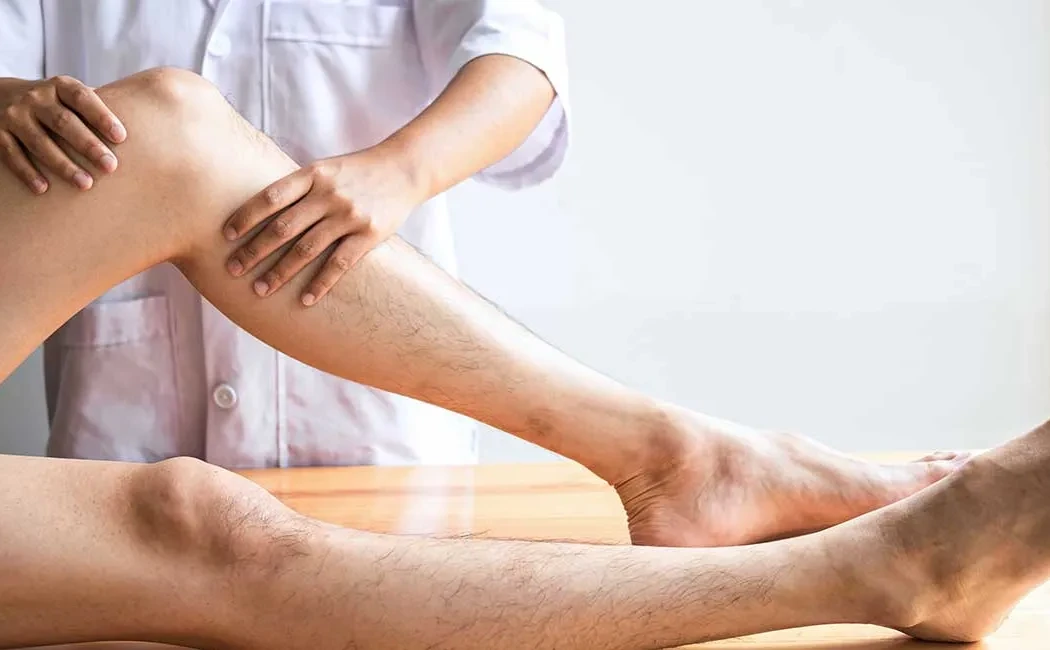
Extremity reconstruction surgery holds a critical position in the fields of orthopedics and traumatology. It particularly requires multidisciplinary approaches to correct bone deformities, restore limb functions, treat infections, and address nonunion complications. This surgical area is technically demanding and entails numerous risks and obstacles that patients may face throughout the process. Below, the most frequent challenges encountered in extremity reconstruction surgery are examined in detail.
Surgical Technical Challenges
Extremity reconstruction involves surgical techniques that must be tailored to each patient. Methods such as the Ilizarov technique and other external fixator applications demand a high level of surgical skill. The complexity of anatomic structures, soft tissue resistance, and limitations in donor sites complicate surgical planning. Especially when correcting bone deformities, precise osteotomies and accurate alignment are essential. Misalignment may lead to functional loss or necessitate reoperation in the future.
Nonunion and Delayed Union Problems
One of the most critical issues in extremity reconstruction surgery is the incomplete or delayed healing of bones. This condition may result from infection, inadequate stabilization, vascular supply issues, or biological response deficiencies in the patient. Nonunion leads to prolonged immobilization, pain, and functional impairment, making early diagnosis and effective treatment crucial.
Infections and Soft Tissue Complications
Infections pose a significant risk in reconstruction surgeries. Especially in open fractures or after prior surgical interventions, infections can complicate treatment. Soft tissue defects, insufficient skin margins, and consequent necrosis adversely affect the healing process. Infection management typically requires surgical debridement, antibiotic therapy, and possibly reconstructive closure surgery.
Extended Rehabilitation and Patient Compliance
Following extremity reconstruction surgery, the rehabilitation phase is lengthy and requires patient adherence. Movement restrictions, pain, psychological problems, and social factors may negatively impact the patient's recovery. Therefore, a multidisciplinary approach involving physical therapy, psychological support, and close monitoring is essential. Maintaining high patient motivation directly influences surgical success.
Prevention and Management of Complications
Effective prevention of complications relies on consistent surgical techniques, meticulous sterilization protocols, and personalized rehabilitation plans. The surgeon’s experience, appropriate patient selection, and comprehensive planning are key factors that enhance success rates. Additionally, innovative technology and advanced biomaterials play a significant role in minimizing complication risks.
Coordination within the reconstruction team and the patient’s informed participation are other crucial elements determining success in extremity reconstruction surgery. Individualized treatment protocols should be developed for each patient, and potential problems should be detected early through close postoperative monitoring to allow timely intervention. This approach ensures both functional and aesthetic improvement.