
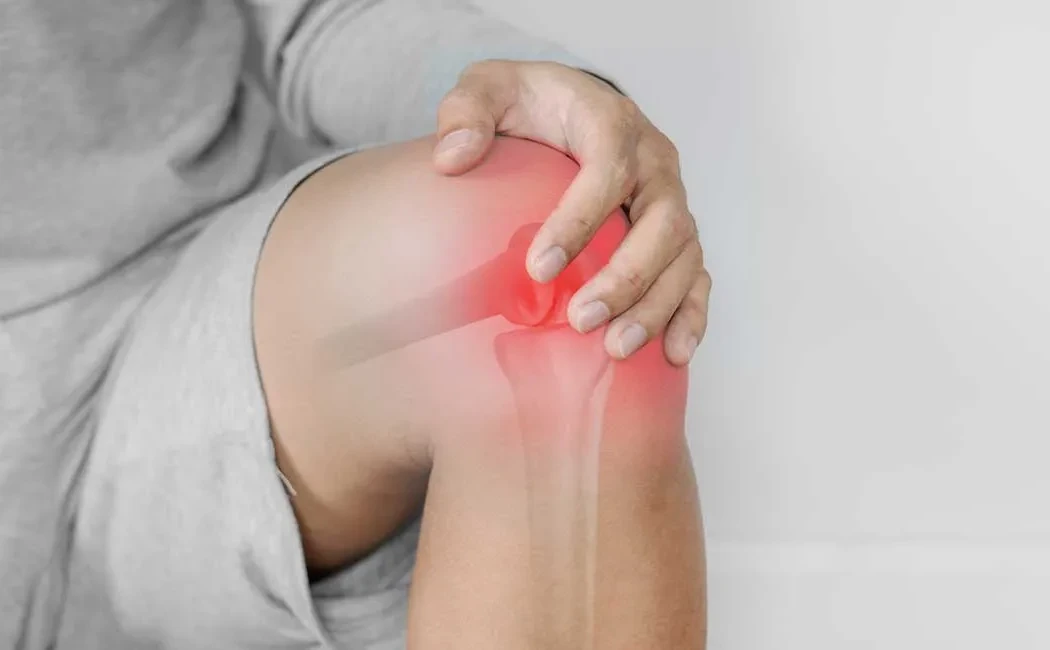
The knee joint is one of the most complex and heavily loaded joints in our body. Because of this, it is prone to various problems. Knee pain is one of the most common complaints and is often associated with meniscus tears by many people. However, pain in the knee can result from different pathological processes even without a meniscus tear. Therefore, accurately identifying the underlying cause of knee pain is crucial for successful treatment.
What is a Meniscus Tear?
The meniscus refers to the crescent-shaped cartilage structure in the knee joint. These structures act as shock absorbers within the joint and provide knee stability. Meniscus tears typically result from a sudden twist, sprain, or trauma that causes the meniscus tissue to tear. This condition can lead to severe pain, limited movement, swelling, and locking symptoms in the knee. However, a meniscus tear is not the only cause of knee pain.
Other Causes of Knee Pain
Knee pain without a meniscus tear can arise from a wide variety of reasons:
Cartilage Damage and Degeneration
The cartilage tissue covering the surface of the knee joint can wear down or become injured over time. Particularly in degenerative joint diseases like osteoarthritis, cartilage loss causes knee pain. This pain usually increases with movement and decreases at rest.
Ligament Injuries
Structures such as the anterior cruciate ligament, posterior cruciate ligament, and collateral ligaments can be injured. Partial or complete tears in ligaments cause pain, instability (a feeling of looseness), and swelling in the knee. These injuries often occur during sports activities.
Muscle and Tendon Problems
Overuse, strain, or inflammation of the muscles and tendons around the knee can cause pain. Issues with the patellar tendon located in front of the knee or surrounding muscle groups can result in pain in the front part of the knee.
Bursitis
Bursae are small fluid-filled sacs around the knee that protect the joint. When these sacs become inflamed, a condition called bursitis develops. This causes localized pain and tenderness.
Bone Problems
Stress fractures, bone infections, or bone tumors in the knee can trigger pain. Such pain is often persistent and may have characteristics like night pain.
Conditions Specific to Childhood and Adolescence
Pain related to growth plates, such as Osgood-Schlatter disease seen in childhood and adolescence, can also cause knee pain without a meniscus tear.
Diagnostic Methods
The cause of knee pain may be a meniscus tear or another condition. Detailed clinical examination is therefore very important. During orthopedic examination, the knee’s range of motion, stability, tender areas, and pain characteristics are assessed.
If necessary, advanced imaging methods like magnetic resonance imaging (MRI) are used to examine the internal structures of the knee in detail. X-rays are preferred to evaluate bone structures. Laboratory tests provide additional information in cases of infection or rheumatic disease.
Treatment Approaches
Since the causes of knee pain without meniscus tears vary, treatment approaches also differ:
Conservative Treatment
Most cases can initially be managed with rest, ice application, anti-inflammatory medications, and physical therapy. The goal is to increase muscle strength, maintain joint range of motion, and achieve biomechanical balance.
Surgical Intervention
Ligament injuries, advanced cartilage damage, and some mechanical problems may require surgery. Arthroscopic surgical techniques allow the repair or cleaning of intra-articular structures with minimally invasive methods.
Rehabilitation and Long-Term Follow-Up
Physical therapy programs during and after surgery or conservative treatment support pain reduction and functional recovery. Regular follow-up of patients positively influences the healing process.
Individuals experiencing knee pain should consult a specialist orthopedic and traumatology doctor for a comprehensive evaluation. Accurate diagnosis and treatment are essential for controlling pain and improving quality of life.