
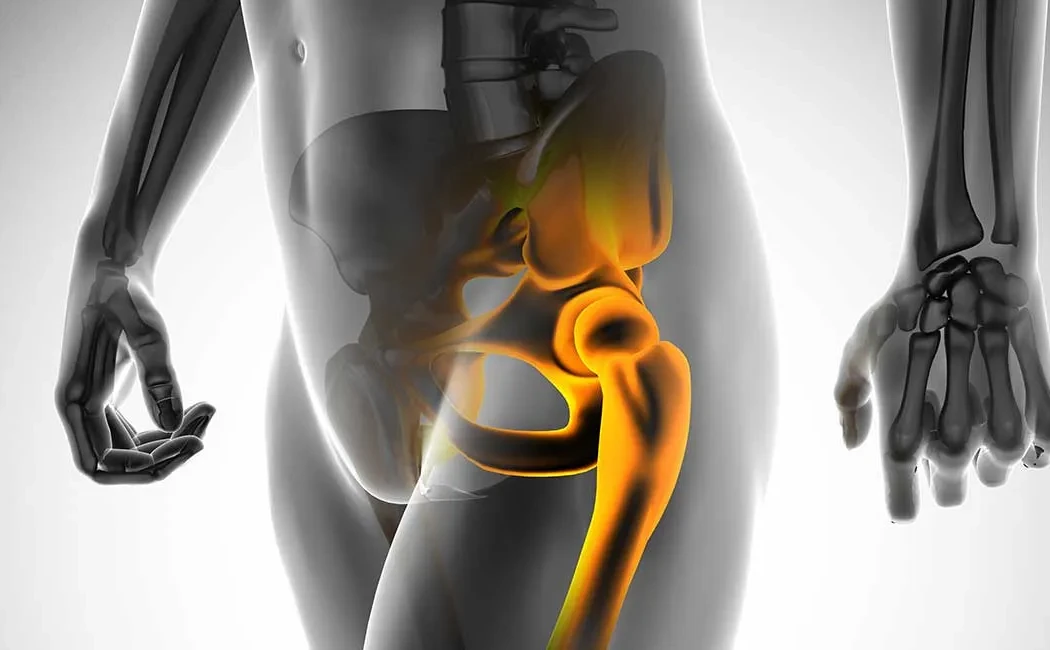
The hip joint is one of the primary load-bearing joints of the body and can undergo degeneration due to aging, trauma, or various diseases. The most common condition, hip osteoarthritis, is characterized by the breakdown of joint cartilage, narrowing of the joint space, and painful movement restrictions. In such cases, patients' quality of life significantly declines, and in advanced stages, hip replacement surgery often becomes inevitable.
However, modern orthopedic specialists prioritize delaying joint replacement surgery as much as possible or reducing the need for surgery by choosing appropriate interventions. At this point, joint preservation treatments become very important. Both non-surgical methods and minimally invasive interventions are applied to reduce pain, improve function, and slow the progression in the hip joint.
What Are Joint Preservation Treatments?
Physical Therapy and Rehabilitation:
The primary approaches include muscle strengthening, increasing joint range of motion, and postural adjustments to balance loading. Since muscle strength decreases in osteoarthritis, strengthening the surrounding muscles helps reduce the load on the hip joint. Additionally, low-impact exercise programs such as swimming and cycling are effective in improving joint function when continued regularly.
Medical Treatment Options:
Nonsteroidal anti-inflammatory drugs (NSAIDs) are commonly used to control pain and inflammation. Alongside these, cartilage-supporting supplements like glucosamine and chondroitin sulfate, as well as intra-articular hyaluronic acid injections, are also preferred methods. However, their effectiveness may vary individually. Corticosteroid injections provide short-term pain relief but have limited long-term use.
Weight Control and Lifestyle Changes:
Scientific studies confirm that obesity increases the load on the hip joint. Therefore, weight loss is an important part of joint preservation treatments. Regulating daily activities to avoid excessive strain on the joint is also effective in protecting the joint.
Minimally Invasive Surgical Techniques:
Procedures such as arthroscopic debridement and labral repair applied in early osteoarthritis can help maintain a more stable joint surface. Osteotomies, which correct bone structures, alter load distribution and reduce pressure on the joint.
Possibility of Delaying Hip Replacement Surgery
Thanks to modern joint preservation treatments, the need for hip replacement surgery can be delayed even in patients with moderate to advanced disease. Especially when pain is managed effectively through lifestyle changes and appropriate rehabilitation programs, joint functions can be preserved and integration into daily living improved. A multidisciplinary approach is crucial in this process; patient care involves collaboration among orthopedic surgeons, physical therapy specialists, and nutritionists.
Advantages of delaying hip replacement surgery include reducing the number of surgeries necessary over a lifetime for younger or active individuals since the lifespan of prostheses is limited and minimizing the risks of postoperative complications. However, when pain and functional loss are severe and the patient's quality of life is significantly reduced, the decision for prosthetic surgery should not be postponed.
Clinical evaluation of each case is essential. The patient's age, overall health status, severity of joint damage, degree of pain, and functional loss should be carefully analyzed. Joint preservation treatments are an important parameter in determining the ideal timing for hip replacement surgery.
Finally, research into newly developed biological therapies and regenerative medicine approaches (such as stem cell treatments and PRP applications) holds promise for improving outcomes. However, more scientific evidence is needed to integrate these applications into standard treatment protocols.