
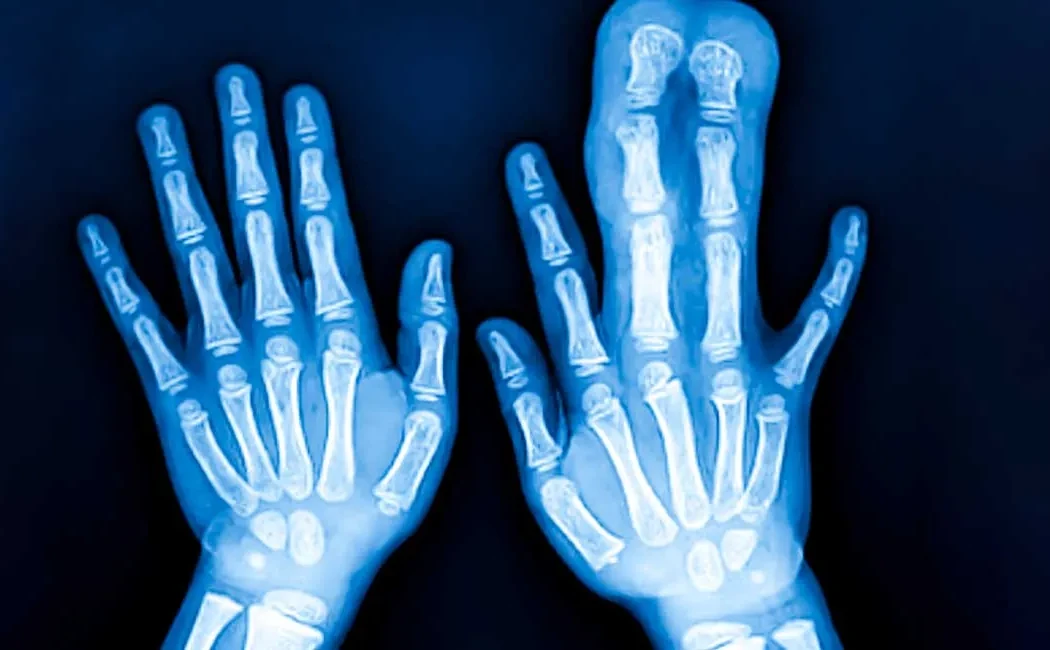
Deformity surgery involves the correction of shape abnormalities in bones, joints, or soft tissues through surgical methods. These procedures are applied in the treatment of deformities that arise from congenital conditions, trauma, or diseases. However, the success of treatment depends on the interplay of multiple factors such as the patient's age, type of deformity, location, and severity. Age, in particular, plays a decisive role in surgical planning and the healing process.
It is essential to categorize age groups in deformity surgery into two main categories: childhood and adult-older age groups. The mechanisms affecting surgical success and healing potential differ between these groups.
Deformity Surgery in Childhood
In children, bone tissue is still in the growth and development phase. Therefore, the healing and adaptation capacity of bones after surgery is higher than in adults. Especially in surgeries performed without damaging the growth plates, it is possible to correct the deformity and shape the newly forming bone.
Postoperative recovery is generally faster in surgeries performed at an early age. Additionally, children's bone metabolism is more active, reducing the risk of complications like nonunion. High success rates have been reported in lengthening and reconstruction surgeries that use external fixators such as the Ilizarov method in children.
Surgical interventions offer significant advantages, especially in children under the age of 10, for preserving joint functionality and preventing deformity recurrences. However, incorrect surgery during the growth period can lead to the recurrence of deformities or new problems. Therefore, the surgeon’s experience and timing of surgery are crucial.
Deformity Surgery in Adults and Older Age Groups
In adults, bone structure and metabolism are more stable compared to children, but the healing process is slower. Particularly in elderly patients, bone quality may be diminished, and conditions such as osteoporosis can complicate healing. However, well-executed reconstructive surgeries can deliver permanent results in adults, with functional improvement achieved through postoperative rehabilitation.
In chronic deformities requiring joint prostheses (such as hip and knee arthroplasties), surgical success depends on the patient’s overall health, bone quality, and surgical technique. During surgical planning in this age group, controlling systemic diseases, nutritional status, and physical condition is of utmost importance.
Studies on surgery success rates related to age in orthopedic deformity surgeries generally show the following results: healing rates are higher in childhood and young adulthood due to more dynamic bone tissue and growth potential. The complexity of surgery increases and healing times lengthen in middle-aged and older adults, but with appropriate techniques and multidisciplinary approaches, very successful outcomes are achievable.
The Importance of Age Factor in Surgical Planning and Follow-Up
One of the keys to successful outcomes in deformity surgery is accurate preoperative evaluation and planning. The patient's age, growth status, bone quality, and overall health directly affect the expected success rate. In children, delicate protection of growth plates is necessary, while in adults, osteoporosis and other age-related problems must be considered.
Age-appropriate rehabilitation protocols should be applied during postoperative follow-up. Regular monitoring is essential in children until growth is complete. In adults and elderly patients, stabilization of the surgical site and infection control becomes critical.
Scientific studies indicate success rates between 85-95% in patients under 16 years of age, while in adults, this rate varies between 70-85%. The age group with the highest frequency of complications is over 60 years old, but successful results can still be achieved with appropriate patient selection in this group.
Advantages of Deformity Surgery at a Young Age
- Rapid bone renewal and union
- Flexibility in shape correction due to growth potential
- Reduced risk of complications
- More effective postoperative rehabilitation
Important Considerations for Adults and Older Age Groups
- Assessment and strengthening of bone quality when necessary
- Management of systemic diseases
- Expectation of longer rehabilitation periods
- Increased risks of infection and complications
Considering these points, the ideal age range for deformity surgery depends on the patient's general condition and the type of deformity, although surgeries performed at an early age generally have higher success rates. Nevertheless, successful outcomes can also be achieved in adult and elderly patients with suitable surgical techniques and comprehensive follow-up.