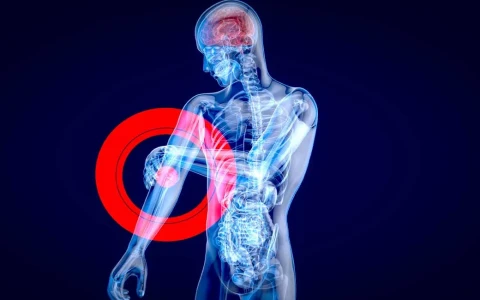
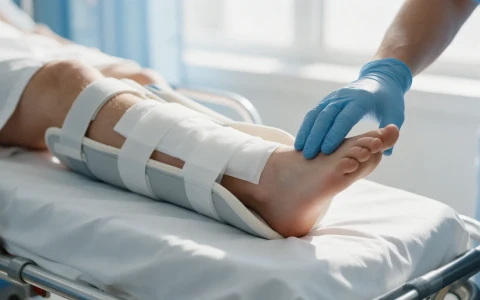
The advanced methods used in the diagnosis and treatment of bone and soft tissue infections play a crucial role in the rapid detection and effective control of infections. This article provides detailed information about current technologies and surgical techniques.
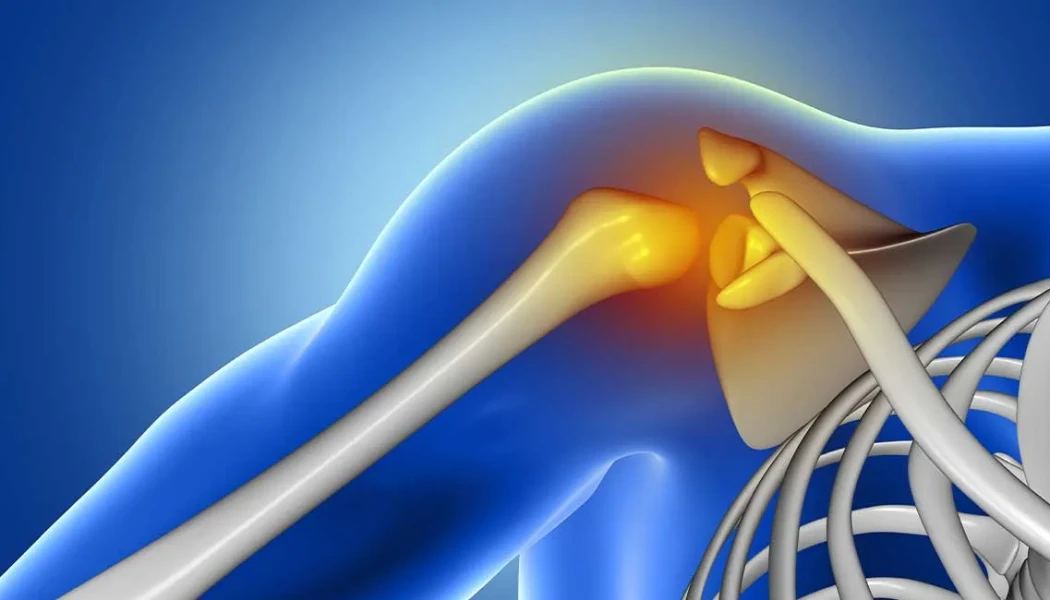
Bone and soft tissue infections represent some of the most challenging problems in orthopedics. These infections may be acute or chronic, and if treatment is delayed, they can lead to serious complications. Beyond traditional approaches, recent advancements in diagnostic and therapeutic methods have significantly increased success rates in managing these infections.
A comprehensive clinical evaluation is essential for identifying the infection focus, the causative microorganism, and the extent of infection to develop an accurate treatment plan. The imaging techniques and laboratory tests used during this process play a vital role.
Innovations in Imaging Techniques
Magnetic resonance imaging (MRI), computed tomography (CT), and nuclear medicine methods serve as standard tools for localizing and assessing the extent of infection. Additionally, functional imaging techniques such as PET/CT have gained prominence, especially in diagnosing chronic osteomyelitis. These methods display the metabolic activity of infected areas, helping to determine whether the infection is active.
Molecular Diagnostic Methods
Microbiological diagnosis has moved beyond conventional culture methods. Molecular techniques like polymerase chain reaction (PCR) accelerate the identification of causative organisms and yield more sensitive results. These methods are particularly preferred in cases where pre-antibiotic samples show culture negativity.
Personalized Antibiotic Therapy
Traditional oral or parenteral antibiotic treatment remains a cornerstone for infection control. However, targeted antibiotic regimens developed against biofilm-forming bacteria and local antibiotic applications have become increasingly important. Furthermore, treatment plans are tailored according to resistance profiles to address antibiotic resistance issues.
Advanced Surgical Techniques
Surgical treatment is critical for removing infected tissues and materials. Advanced surgical methods include minimally invasive techniques, endoscopic approaches, and tissue-preserving surgeries. Additionally, bone lengthening and reconstruction methods such as Ilizarov and external fixator applications are significant tools in managing infections in both acute and chronic cases.
Bioactive and Regenerative Methods
In recent years, bioactive materials and cellular therapies have been employed in bone and soft tissue regeneration. Bone morphogenetic proteins (BMPs), growth factors, and stem cell therapies are preferred to accelerate tissue healing in infected areas. These methods are especially useful for compensating bone loss in infected bone defects.
Multidisciplinary Treatment Approach
Treating bone and soft tissue infections involves collaboration among orthopedic surgeons, infectious disease specialists, radiologists, and physiotherapists. This teamwork ensures that each phase of treatment is planned and executed efficiently. The patient’s overall condition and comorbidities are also taken into consideration.
Clinical Monitoring and Reevaluation
Because the risk of infection recurrence is high during treatment, scheduled clinical and laboratory evaluations are necessary. Early-phase biomarkers and advanced imaging methods are invaluable for monitoring treatment effectiveness.
In summary, advanced diagnostic techniques, innovative surgical strategies, biological treatment methods, and multidisciplinary approaches are vital in managing bone and soft tissue infections. Early diagnosis and appropriate therapy reduce complications and improve patients’ quality of life.
Frequently Asked Questions
Magnetic resonance imaging (MRI), computed tomography (CT), and functional imaging techniques such as PET/CT are commonly used to locate and determine the extent of bone infections.
Molecular techniques like PCR speed up the detection of microorganisms that do not grow or are difficult to grow in cultures, improving the accuracy of antibiotic treatment.
Antibiotic therapy should be selected based on the microorganism’s resistance profile, support local applications targeting biofilm-forming bacteria, and the treatment duration should be planned according to the severity of the infection.
Minimally invasive surgical techniques, tissue-preserving approaches, and bone lengthening methods with external fixators are frequently preferred for surgical control of infections.
Bioactive proteins and stem cell therapies accelerate tissue regeneration in infected areas, supporting compensation for bone loss and facilitating healing after infection.
This article is for general information only and does not replace a medical examination, diagnosis or treatment. Treatment options and outcomes vary from person to person.
Related treatment area Revision Surgery for Complex and Infected Nonunion