
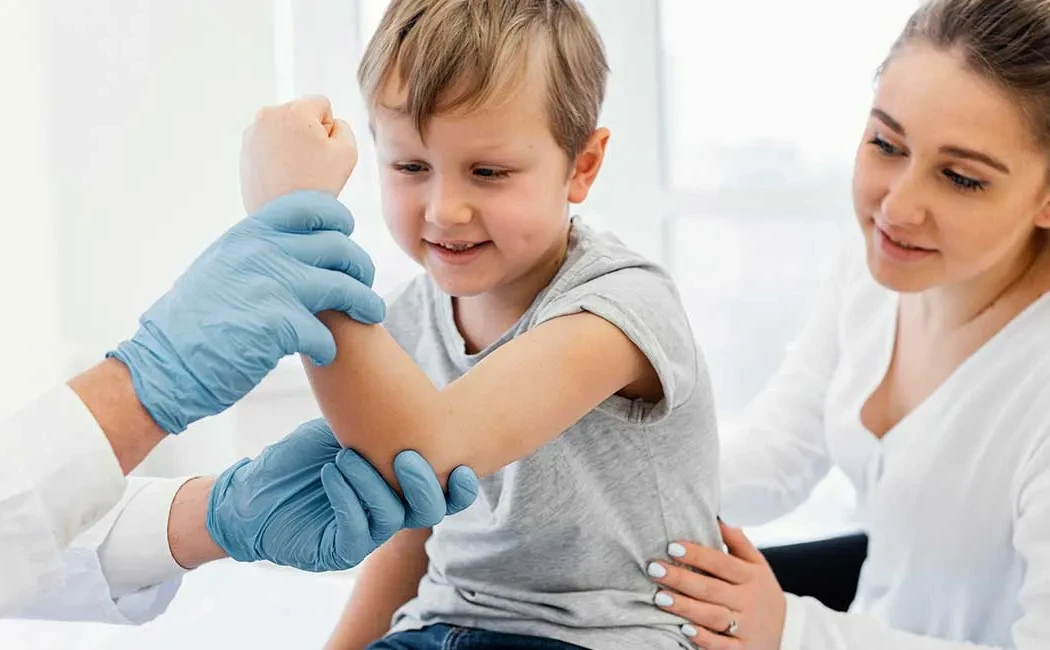
Pediatric orthopedics is the medical specialty dedicated to diagnosing and treating musculoskeletal problems affecting children from the neonatal period through adolescence. Unlike adults, children's bones are continuously growing and developing, which distinguishes pediatric orthopedics from adult orthopedics. The presence of growth plates, the flexibility of bones, and their high healing potential require specialized treatment approaches tailored to the child's age and growth stage.
Bone diseases in children encompass a broad spectrum, ranging from congenital anomalies to trauma, infections, and neuromuscular conditions. It is important for parents to closely monitor their child’s physical development and seek expert advice early when irregularities occur, as timely intervention can prevent permanent functional loss. This guide addresses key concepts in pediatric orthopedics, common conditions, and current treatment methods based on scientific evidence.
What is Pediatric Orthopedics?
Pediatric orthopedics is the branch of medicine specializing in musculoskeletal deformities, fractures, infections, and developmental disorders in children. The focus is not only on correcting current problems but also on preserving the child's growth potential and supporting healthy skeletal development. Children’s anatomical structures, especially the growth cartilage (physis), differ significantly from adults, resulting in tailored treatment plans according to age and developmental needs.
This discipline covers a wide range of conditions from congenital deformities to acquired traumatic injuries. Pediatric orthopedic surgeons also play a critical role in managing orthopedic manifestations of neuromuscular diseases such as cerebral palsy. Treatment often requires a multidisciplinary approach considering the child’s physical, psychological, and social development as a whole.
Common Pediatric Orthopedic Conditions
Orthopedic issues in childhood can vary from mild, self-limiting conditions to complex diseases necessitating surgical intervention. Rare bone conditions in children and syndromic cases require detailed specialist evaluation.
Frequently seen conditions include developmental hip dysplasia, clubfoot (pes equinovarus), flatfoot, and scoliosis. Rare deformities such as fibular or tibial hemimelia may require limb reconstruction. Angular deformities of the lower limbs, including bowlegs (genu varum) and knock-knees (genu valgum), are common topics within pediatric lower extremity deformities.
Growth Plates and Their Importance
Growth plates (physes) are cartilage regions at the ends of long bones responsible for bone lengthening in children. These areas are the most vulnerable points of the bone and are susceptible to injury. Damage to the growth plate can halt bone growth or lead to asymmetrical growth resulting in deformities.
Growth plate fractures are classified using the Salter-Harris system, and treatment is tailored based on the fracture type. Some fractures can be treated with casting alone, while those involving the joint surface or displacement may require surgical fixation.
Diagnostic and Evaluation Process
Diagnosis in pediatric orthopedics begins with a thorough history and physical examination. The physician assesses the child's gait, joint mobility, muscle strength, and neurological status. Imaging plays a crucial role, especially in bone development disorders and treatment planning.
X-rays are the primary modality to evaluate bone structure and deformities. Advanced imaging techniques such as CT and MRI are used when more detailed assessment is required.
Surgical and Non-Surgical Treatment Approaches
Treatment in pediatric orthopedics starts with minimal invasive and conservative methods whenever possible. Casting, orthotic devices, and physical therapy are effective in correcting many deformities. For instance, serial casting using the Ponseti method is the first-line approach in treating clubfoot.
When surgery is necessary, reconstructive techniques are emphasized. Limb length discrepancies can be managed by bone lengthening surgery using techniques such as Ilizarov or magnetic intramedullary nails. Cases of nonunion or malunion after fractures are treated with specialized surgeries to restore bone integrity and alignment.
Complex deformities are corrected through lower limb deformity surgeries, while upper limb lengthening and deformity correction procedures restore arm and forearm function.
Informative Guide for Parents
Parents can detect potential problems early by observing their child's posture and movements. Signs such as persistent leaning to one side, limping while walking, or pain severe enough to disrupt sleep warrant professional evaluation. In school-aged children, heavy backpacks and poor posture habits can negatively affect spinal health.
The content on this website is intended for general informational purposes only and does not constitute professional medical advice, diagnosis, or treatment. Always consult your physician or a qualified healthcare professional for any health-related questions. The information provided here may not be suitable for your individual medical condition and should not be used for treatment planning without proper medical examination. Prof. Dr. Halil İbrahim Balcı and his team disclaim any liability arising from the use of this content. Do not delay seeking professional care or disregard medical advice based on information found on this site.