
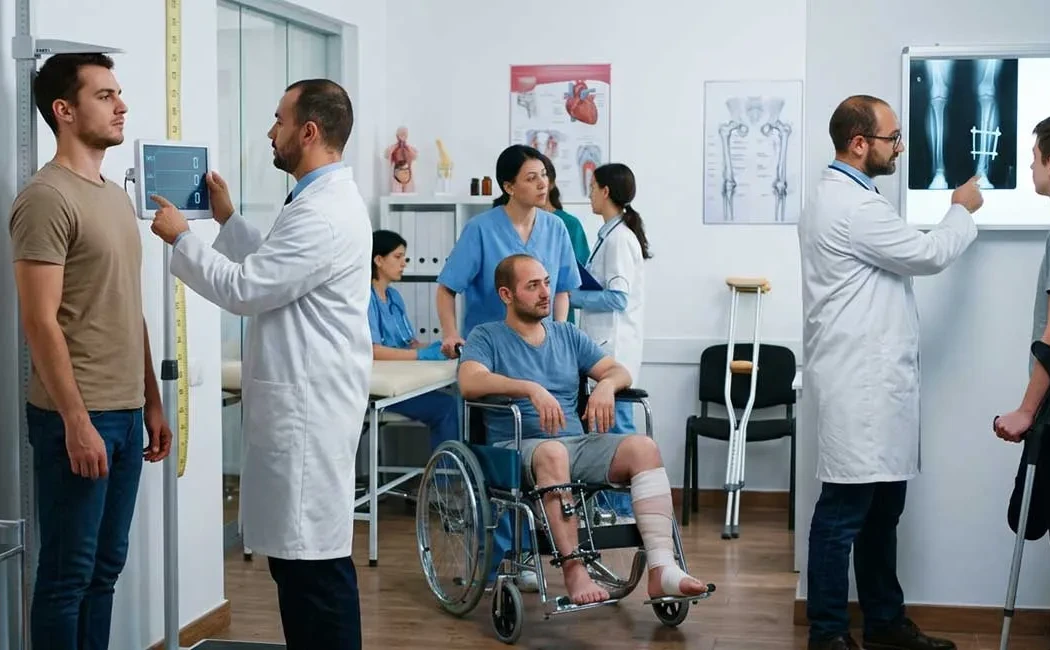
Heightening surgery is a complex procedure that has gained attention in orthopedics and traumatology in recent years for both reconstructive and aesthetic reasons. These surgical interventions are driven by two primary motivations: medical necessity to correct functional impairments or aesthetic desire to alter physical appearance. The distinction between cosmetic heightening and medical necessity is the central axis determining the entire treatment protocol—from surgical planning and ethical evaluation to risk analysis and recovery process.
This article examines in detail the differences between medical and aesthetic heightening surgeries, the surgical risks involved, and the decision-making processes. The information provided is for general informational purposes only and a specialist consultation is necessary for accurate diagnosis and treatment planning.
Cosmetic vs Medical Heightening: Core Differences
Although the goal in heightening surgery is to increase bone length, the indication (reason for the procedure) fundamentally changes the patient’s treatment path. The main differences between medical and aesthetic approaches focus less on the surgical technique and more on patient selection and expected outcomes.
What is Cosmetic Heightening?
Cosmetic heightening is an elective surgery performed on individuals without any functional impairment or skeletal pathology but who experience psychosocial distress due to short stature. Also known as aesthetic heightening, this procedure involves surgically cutting (osteotomy) healthy bone tissue and gradually lengthening it with the use of distraction devices. The main objective is to reshape body proportions according to the patient’s aesthetic perceptions. However, intervening on a healthy limb requires strict ethical and medical criteria.
What is Medical Heightening?
Medical heightening is performed to correct limb length discrepancies due to congenital anomalies, post-traumatic deformities, bone infections, or damage to growth plates. In such cases, the surgery is not elective but necessary to improve walking mechanics, protect joint health, and maintain spinal balance. Detailed information is available on our bone lengthening surgery service page.
Decision-Making for Heightening Surgery
Heightening surgery is an irreversible process requiring lengthy rehabilitation. Therefore, the decision stage is as important as the surgery itself. Aligning the patient’s expectations with medical realities is a prerequisite for success.
When is Medical Necessity Established?
Medical necessity arises when conditions restrict daily life activities or may cause future joint damage. Limb length discrepancy can lead to pelvic imbalance and spinal curvature (scoliosis) during walking. In such cases, lower extremity deformity surgery aims to restore biomechanical balance. Similarly, upper extremity lengthening surgery for arm shortening or deformities is considered a medical necessity to enhance functional capacity.
Deciding on Surgery for Aesthetic Reasons
When considering surgery for aesthetic reasons, the underlying causes of the patient’s perception of being “short” must be carefully examined. In medical literature, “constitutional short stature” refers to cases without hormonal or genetic pathology; here, surgical decisions are based entirely on psychosocial expectations. Patients should be transparently informed about cosmetic heightening outcomes and long-term effects before surgery. Unrealistic expectations can lead to dissatisfaction even if the surgery is technically successful.
Ethical and Psychological Aspects
The orthopedic principle of “first, do no harm” (primum non nocere) is fundamental. Performing surgery on a healthy body involves serious ethical responsibility for the physician and thorough psychological preparation for the patient.
Medical Ethics and Consent Procedure
Medical ethics require respect for patient autonomy in aesthetic heightening while protecting patients from potential harm. Authorities such as the World Health Organization (WHO) and the American Academy of Orthopaedic Surgeons (AAOS) recommend that such surgeries be performed only after informed consent and multidisciplinary evaluation. Consent should not be limited to signing a document but ensure the patient fully comprehends risks such as infection, limited mobility, and chronic pain.
Psychology of Heightening and Managing Expectations
Mental preparation is as crucial as physical healing in this process. In cases of psychiatric conditions such as Body Dysmorphic Disorder (BDD), surgery is contraindicated. Therefore, the psychological preparation phase before heightening surgery is essential to confirm that the patient’s motivation is grounded in a healthy mindset.
Risks, Complications, and Recovery
A constant factor in the debate over cosmetic heightening vs medical necessity is the presence of surgical risks. Bone lengthening surgery carries a risk of complications regardless of the indication.
Surgical Risks and Possible Complications
Heightening surgeries involve risks such as infection, deep vein thrombosis (blood clots), nerve injury, and joint stiffness. A critical complication is nonunion, where bone segments fail to heal. This may require additional surgical intervention. Success factors in treating nonunion include smoking cessation, nutrition, and surgical technique. Advanced techniques like biological treatments and stem cell therapies are increasingly employed in managing complications. Particularly in cosmetic cases, risks associated with operating on a healthy limb can permanently affect quality of life; see cosmetic heightening surgery risks for more.
Recovery Process and Support Needs
Recovery may last from three months to a year depending on the extent of lengthening. Intensive physical therapy, daily wound care, and regular follow-ups are mandatory during this period. Patients must abstain from social activities and adhere to physical restrictions. A supportive environment and professional physiotherapy are critical to the procedure's success.
Legal and Regulatory Framework for Heightening Surgeries
Healthcare services in Turkey and globally are subject to stringent legal regulations. Cases of medical necessity may qualify for coverage under Social Security Institution (SGK) or private insurance, while cosmetic heightening surgeries are classified purely as aesthetic procedures and excluded from insurance coverage. The Ministry of Health and relevant legislation permit these surgeries only in accredited hospitals by qualified orthopedic specialists. It is vital for patients to be aware of their legal rights and avoid unauthorized or unauthorized providers.
Conclusion and Disclaimer
In summary, the distinction between cosmetic heightening and medical necessity defines the purpose and ethical framework of the surgery. Medical heightening addresses functional needs, whereas cosmetic heightening is a significant decision related to body image. In both cases, scientific facts, risks, and long-term outcomes must be considered. This content is for informational purposes only and does not constitute medical advice. The most appropriate decision can only be made through thorough examination and expert consultation.
All information provided is for general informational purposes only and does not constitute medical advice. The content is not intended to replace professional diagnosis, treatment, or guidance. Diagnosis and treatment should only be carried out following an in-person consultation with a qualified healthcare professional. Since each patient's clinical situation is unique, surgical or non-surgical methods may vary accordingly. The information presented is based on current scientific knowledge and up-to-date medical practices.